Professional Interior Painting Services in Allen, TX
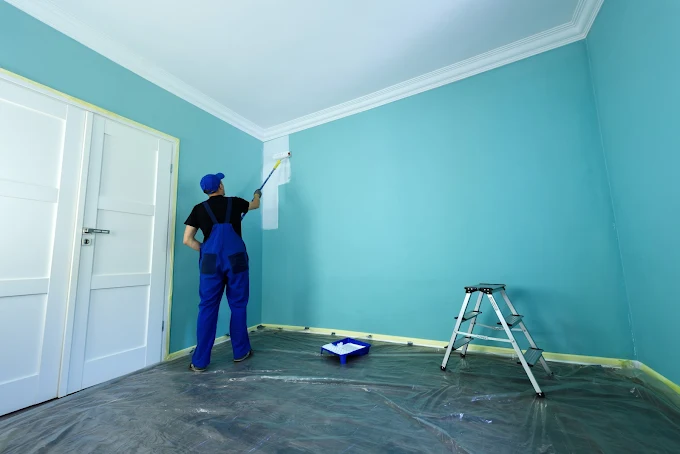
A fresh interior paint job can change how your home looks and feels without requiring a major renovation. AY Construction & Remodeling provides residential interior painting services in Allen, TX for homeowners who want clean, consistent finishes and careful preparation. We paint walls, ceilings, doors, trim, and other interior surfaces as part of single-room updates, whole-home improvements, and larger remodeling projects.
Good interior painting starts before the first coat goes on. Surface condition, previous paint, drywall damage, moisture staining, sheen, lighting, and room use can all affect the final result. Our team reviews the space, defines the scope, prepares the surfaces, and completes the painting work with attention to the details that make a room look finished.
Residential Interior Painting for Allen Homes
Interior paint does more than change color. It can brighten dark rooms, make a dated space feel cleaner, create a more consistent look between connected areas, and provide the finishing touch after drywall, flooring, or remodeling work.
We provide house interior painting services for projects of different sizes. That may include repainting a bedroom, updating a living room, refreshing a kitchen or dining area, painting a home office, or coordinating several rooms at the same time. The scope is based on the surfaces being painted and the condition of the existing finish, not a one-size-fits-all package.
When painting is part of a larger renovation, coordination matters. Wall repairs, trim work, flooring, cabinets, and other improvements should be planned in the right order so finished surfaces are not damaged by later work.
Interior Painting Services We Provide
Walls and Ceilings
Walls and ceilings usually make up the largest painted surfaces in a home. We prepare the surfaces, address visible imperfections within the agreed scope, and apply suitable coatings for the room and existing substrate. Color and sheen can be selected based on the amount of light, traffic, cleaning needs, and the look you want to create.
Interior Doors, Frames, and Trim
Doors, frames, baseboards, and other trim need careful preparation because marks and uneven coverage are easy to see on these detailed surfaces. Interior doors can be refreshed in traditional light colors or used as a stronger design feature with a darker finish when that suits the room. The best paint for interior doors depends on the door material, previous coating, desired sheen, and how much handling the surface receives.
Bedrooms, Living Areas, and Home Offices
Different rooms serve different purposes. Bedrooms may benefit from softer finishes, while living areas and workspaces may need coatings that balance appearance with everyday durability. We help define a practical painting scope based on the room, the existing finish, and the desired result.
Kitchens, Dining Areas, and High-Use Spaces
High-use areas can show scuffs, stains, and wear faster than low-traffic rooms. Proper cleaning and surface preparation are especially important before repainting these spaces. Where cabinets, trim, drywall, or other finishes are also being updated, the painting work can be coordinated with the wider project.
Accent Walls and Color Updates
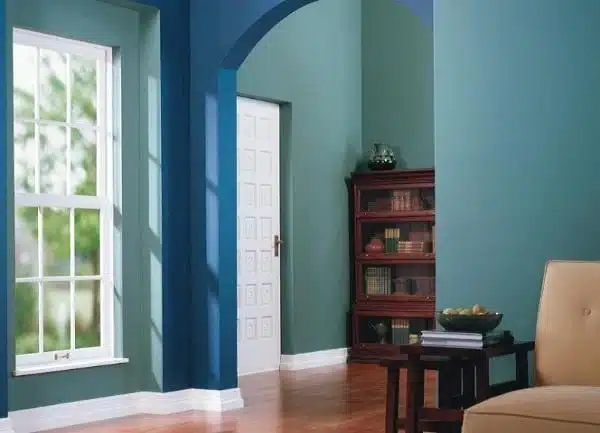
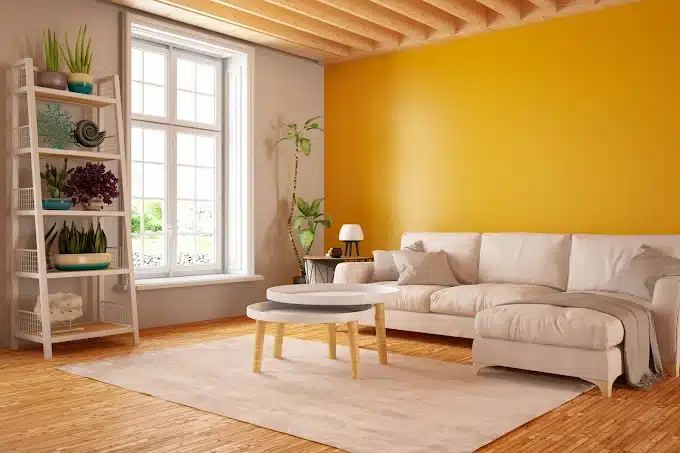
An accent wall can change the character of a room without repainting every surface. We can also help implement a new color plan across several connected rooms so transitions feel intentional rather than random.
Surface Preparation and Drywall Repairs Before Painting
Paint cannot hide every surface problem. Small holes, nail pops, damaged joint compound, cracks, rough patches, and previous repair marks can remain visible after painting if they are not prepared correctly.
Before painting, we review the condition of the walls and ceilings included in the project. Minor patching and preparation can be incorporated into the painting scope. When damage is more extensive, dedicated drywall repair may be the better first step. If a wall or ceiling has been affected by water, the source of moisture should be addressed before damaged drywall is closed, refinished, and painted.
Proper preparation may include cleaning, scraping loose material, sanding, patching, caulking appropriate gaps, protecting adjacent surfaces, and priming where needed. The exact preparation depends on the condition of the home and the type of coating already on the surface.
Our Interior Painting Process
1. Consultation and Scope
We start by reviewing the rooms and surfaces you want painted. We discuss colors, finishes, visible repairs, access, furniture, and whether painting is part of another remodeling project. This helps define a clear scope before work begins.
2. Interior Painting Quote
Interior painting costs vary from project to project. The number and size of rooms, ceiling height, surface condition, trim and doors, preparation needs, number of colors, and coating requirements can all affect the price to paint the interior of a house. We provide a project-specific estimate rather than relying on a generic interior painting cost calculator.
3. Protection and Preparation
Floors, fixtures, furniture, and nearby finished surfaces are protected as appropriate for the work area. Walls, ceilings, doors, or trim are then prepared according to their condition. Good preparation helps the new coating look more consistent and perform better.
4. Priming Where Needed
Not every surface requires the same primer. New drywall, patched areas, stains, strong color changes, bare material, or certain existing coatings may require a suitable primer before finish paint is applied. Primer selection should match the surface and the finish system being used.
5. Paint Application
Paint is applied using methods appropriate for the room and surface. The number of coats depends on the existing color, new color, product coverage, preparation, and desired finish. Our goal is even coverage and clean transitions at walls, ceilings, trim, doors, and adjoining surfaces.
6. Touch-Ups, Cleanup, and Walkthrough
After the main application is complete, we review the painted areas for necessary touch-ups, remove project protection and debris, and walk through the completed scope with the homeowner.
Choosing Paint Colors and Interior Finishes
There is no single “best paint for interior walls” for every room. A coating that works well in a low-traffic bedroom may not be the best choice for a busy hallway, kitchen, or family room. The right selection depends on the surface, room use, desired sheen, existing coating, and maintenance expectations.
Flat or matte finishes can reduce visible reflection and may help make minor surface imperfections less noticeable. Eggshell and satin finishes are commonly considered for areas where easier cleaning is useful. Trim and doors often use a more durable, higher-sheen finish, but the final choice should fit the material and design.
Acrylic latex paint is commonly used for many residential interior applications because it is available in a wide range of finishes and can provide practical durability when matched to the surface. Specialty finishes, including decorative mineral or lime-style coatings, require different preparation and application methods and should be evaluated separately.
Color should also be considered in the actual room. Natural light, artificial lighting, flooring, cabinets, furniture, and nearby wall colors can change how a paint color appears throughout the day. Testing a sample in the space is often more useful than choosing only from a small color card.
Interior Painting Costs and Quotes
Homeowners often ask about interior painting rates or the cost to paint the interior of a house. A reliable quote requires more information than square footage alone.
Factors that can affect interior painting costs include:
For this reason, a project-specific interior painting quote is more useful than a broad online estimate. Once the scope is reviewed, the estimate should clearly identify the surfaces and work included.
Why Choose AY Construction & Remodeling for Interior Painting?
Interior painting is often connected to other improvements in the home. AY Construction & Remodeling provides painting alongside services such as drywall repair, flooring installation, cabinet painting, and interior remodeling, which can make it easier to coordinate projects that involve more than one trade.
Our civil engineering background also gives the company a broader construction perspective when painting is part of a renovation involving walls, layouts, or other building components. Structural questions should be evaluated according to the actual project scope rather than treated as part of a basic paint job.
We focus on clear project scope, practical preparation, careful work around existing finishes, and communication throughout the project. Homeowners can also review completed work and customer feedback before deciding whether the company is the right fit for their project.
Related Interior Remodeling Services
Painting is often the final step in a larger interior update. If your project involves damaged walls, start with our drywall repair services before applying a new finish. Homeowners updating kitchens or built-ins can also explore cabinet painting for a coordinated color refresh.
For larger changes, our interior remodeling services can combine painting with layout improvements and other renovation work. If new flooring is part of the project, flooring installation and painting should be scheduled in a sequence that protects the finished surfaces and keeps the work efficient.
Request an Interior Painting Estimate in Allen, TX
If your walls, ceilings, doors, or trim are ready for an update, AY Construction & Remodeling can review the project and help define a practical painting scope. Contact the team to discuss your interior painting project in Allen, TX and request an estimate based on the rooms, surfaces, preparation, and finish you need.
Interior Painting FAQs