Your floors are worn out. Carpet is stained. Hardwood is scratched. You’re tired of looking at them. You want new floors. But you’re overwhelmed by choices. So many flooring options exist. Different floor materials. Different costs. Different looks. You don’t know where to start.
Flooring decisions are easier when you understand how they fit into your overall remodeling plan. Budget allocation, project sequencing, and design coordination all matter. Start with our complete interior remodeling guide to see the bigger picture before diving into flooring specifics
This guide covers everything about floors. Different flooring options and what they cost. How hardwood flooring works. When to use tile flooring. Other floor materials available. Flooring design ideas for different rooms. The flooring installation process. Real costs. Smart decisions. By the end, you’ll understand what works where. You’ll know your options. You’ll be ready to choose.
Understanding Flooring Options: What’s Available
So many flooring options exist now. Each has strengths and weaknesses. Understanding them helps you choose right.
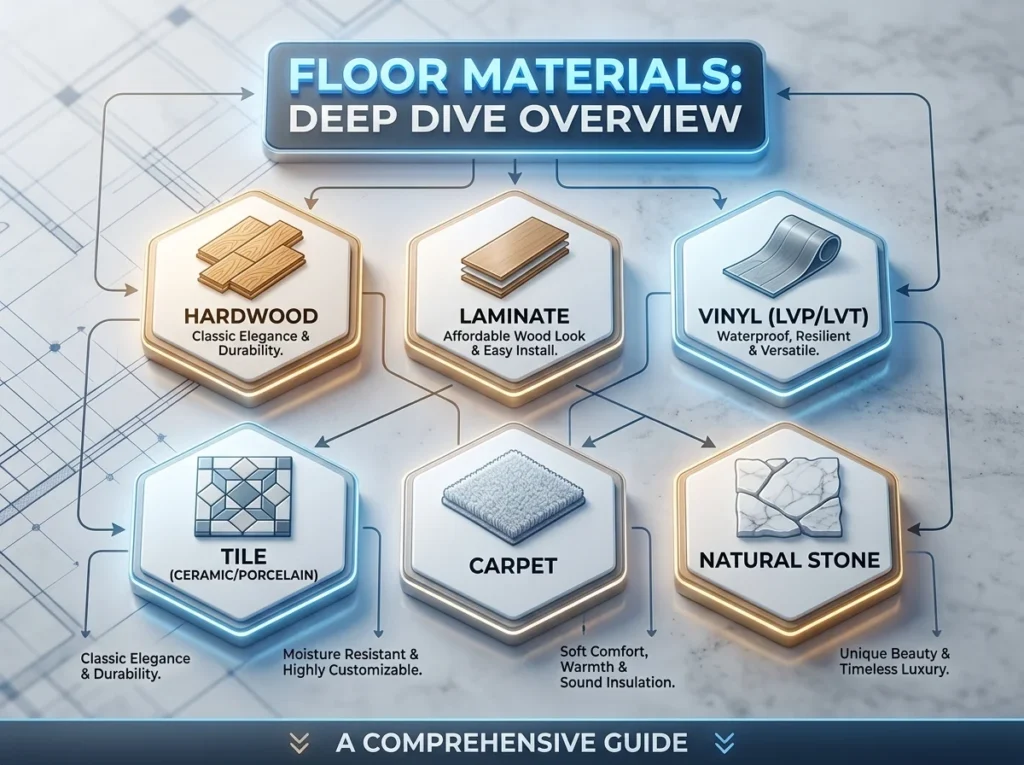
Hardwood Flooring
Hardwood flooring is classic. Beautiful. Timeless. Real wood floors add warmth to any room. They last decades. They age well. They’re durable.
Attic spaces have unique flooring needs. Weight considerations, insulation below, and slope challenges affect material choice. If you’re converting an attic, see our attic conversion guide for flooring recommendations specific to overhead spaces
Wood comes in different species. Oak is popular. Maple is harder. Walnut is darker. Each looks different. Each costs different. Installation requires skilled contractors. Costs $5-$15 per square foot installed.
Hardwood flooring needs maintenance. Refinishing every 10-15 years. Regular cleaning. No excessive water. Scratches show more on dark wood. Light wood hides scratches better.
Tile Flooring
Tile flooring is durable. Waterproof. Easy to clean. Perfect for kitchens and bathrooms. Comes in endless styles. Colors. Patterns. Sizes.
Ceramic tile is affordable. $2-$10 per square foot. Porcelain is harder. $3-$15 per square foot. Natural stone is expensive. $10-$30+ per square foot.
Installation requires grout. Grout needs maintenance. Grout stains. Grout molds if not sealed. Slippery when wet. But lasts forever basically.
Vinyl Flooring
Vinyl is affordable. Waterproof. Durable. Looks like wood or tile. Comes in sheets or planks. Easy to install. DIY-friendly.
Costs $1-$5 per square foot installed. Budget-friendly option. Looks decent. Wears well. Doesn’t last as long as tile or hardwood. But affordable.
Laminate Flooring
Looks like wood. Much cheaper. Waterproof (if sealed properly). Easy to install. DIY possible. Costs $1-$4 per square foot.
Durability is decent. Scratches show more. Can’t refinish like hardwood. Lasts 15-25 years. Budget option.
Carpet
Soft underfoot. Warm feeling. Sound absorption. Good for bedrooms. Less practical for kitchens. Stains easily. Needs regular cleaning. Costs $2-$8 per square foot installed.
Bamboo and Cork
Eco-friendly options. Bamboo looks like hardwood. Durable. Costs $3-$8 per square foot. Cork is softer. Comfortable underfoot. Costs $4-$10 per square foot. Niche markets. Not as common.
Floor Materials: Deep Dive Into Each Type
Let’s understand floor materials in detail.
Hardwood Characteristics
Hardwood flooring offers authentic beauty. Real wood grain variations. Natural color changes. Warm underfoot. Sound is different than other floors.
Durability is excellent. Lasts 20-30+ years. Refinishing renews it. Can scratch. Can dent. But it’s repairable.
Maintenance involves regular sweeping. Damp mop with wood cleaner. No excess water. Occasional refinishing. It’s some work but manageable.
Tile Advantages
Tile flooring is incredibly durable. Essentially forever lifespan. Waterproof. Stain-resistant. Easy to clean. Grout is the maintenance issue. Grout stains. Grout needs sealing.
Grouting is skilled work. Installation requires experience. Tile cutting needed around edges. Professional installation recommended. Not ideal for DIY.
Vinyl Benefits
Vinyl is incredibly practical. Waterproof so kitchens and bathrooms work. Warm underfoot compared to tile. Relatively easy installation. Many DIYers handle it.
Durability is good. 15-20 years typical. Looks good. Sounds okay. Comfortable. Affordable. Great for rentals or budget-conscious people.
Laminate Practicality
Laminate is very practical. Affordable. Easy to install. Looks good. Waterproof (if sealed at seams).
But laminate can’t be refinished. When it wears, it’s done. Scratches show. It’s disposable in a way. Plan on replacing it eventually. 15-25 years is typical.
Carpet Comfort
Carpet is comfortable. Soft. Warm. Good sound absorption. Makes rooms feel cozy. Great for bedrooms.
But carpet stains easily. It holds dust. It requires cleaning. Not waterproof. Not ideal for kitchens, bathrooms, or high-traffic areas. Lasts 10-15 years typically.
Flooring Design Ideas: Room-by-Room Guide
Flooring design ideas depend on the room.
Kitchen Design Ideas
Kitchens get wet. Get messy. Need durable, waterproof floors. Tile flooring is best. Easy to clean. Waterproof. Practical.
Hardwood flooring is pretty but needs care. Water damage is risk. Vinyl works. Affordable. Easy to clean. Practical.
Light colors hide dirt better. But show crumbs. Dark colors hide crumbs but show dust. Medium tones are compromise. Large tiles minimize grout lines.
Bathroom Design Ideas
Bathrooms are wet. Need waterproof floors. Tile flooring is ideal. Waterproof. Easy to clean. Practical.
Vinyl works too. Affordable. Waterproof. Less slippery than wet tile (important safety consideration). Good option if budget is tight.
Avoid carpet. Water damage risk. Mold risk. Not practical.
Living Room Design Ideas
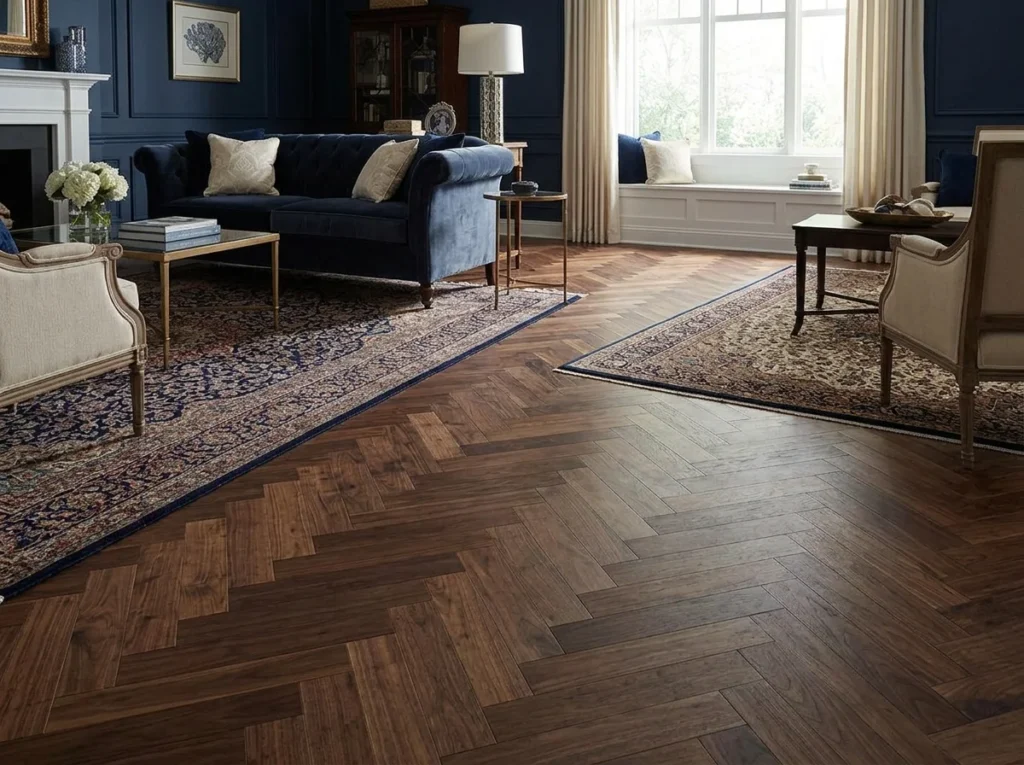
Living rooms see traffic. Need durable floors. Hardwood flooring looks beautiful. Durable. Warm feeling. Classic choice.
Laminate or vinyl work too. More affordable. Less maintenance. Still look good. Personal preference.
Lighter wood tones make rooms feel bigger. Darker tones create drama. Pattern adds interest but dates faster than solids.
Bedroom Design Ideas
Bedrooms are lower traffic. Durability less critical. Carpet is popular. Soft. Warm. Comfortable. Good choice for bedrooms.
Hardwood flooring is beautiful too. Hardwood flooring ages well. Looks elegant. Good for master bedrooms. Budget-friendly carpet for guest rooms.
Hallway Design Ideas
Hallways see traffic. Need durable floors. Hardwood flooring works well. Laminate works. Vinyl works. Anything durable works.
Carpet wears quickly in hallways. Stains show. Not ideal. Hard surfaces better.
The Flooring Installation Process
Understanding the process helps you know what to expect
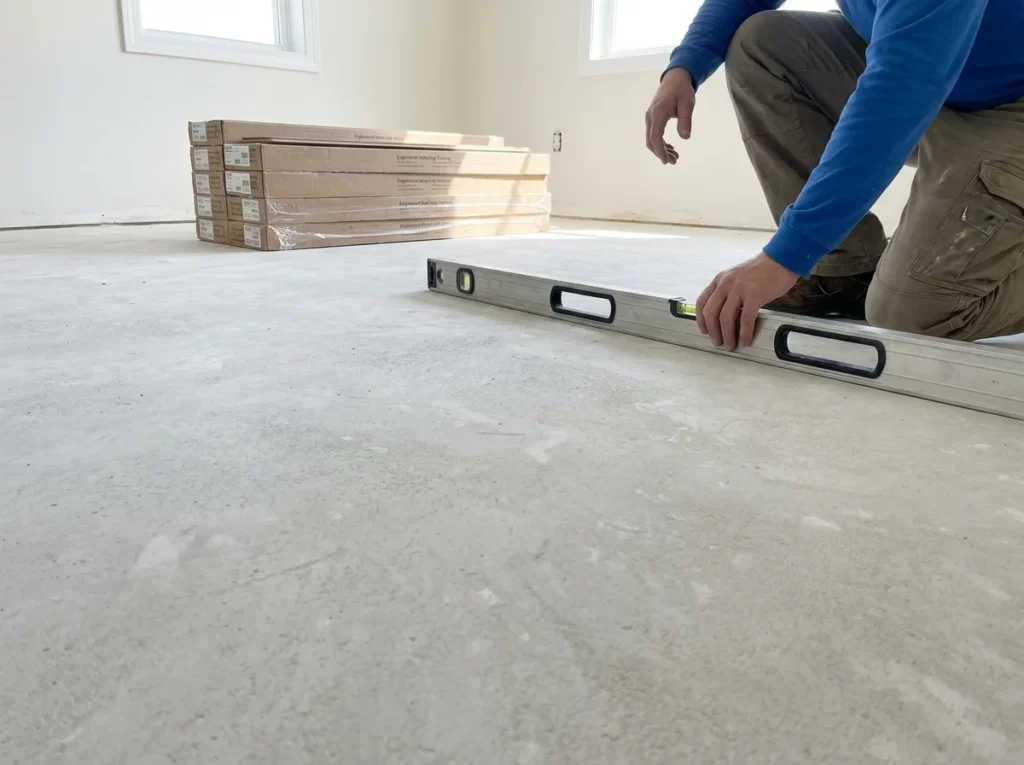
Step 1: Preparation (1-2 days)
Remove old flooring. This is dusty, messy work. Take proper care of disposal. Prepare subfloor. Ensure it’s clean. Smooth. Level. Subfloor preparation is critical. Uneven subfloor causes problems later.
Step 2: Underlayment Installation (1 day)
Most floors need underlayment. This layer goes between subfloor and finished floor. Provides cushion. Moisture barrier. Sound absorption. Installation is straightforward.
Step 3: Floor Installation (2-7 days depending on type)
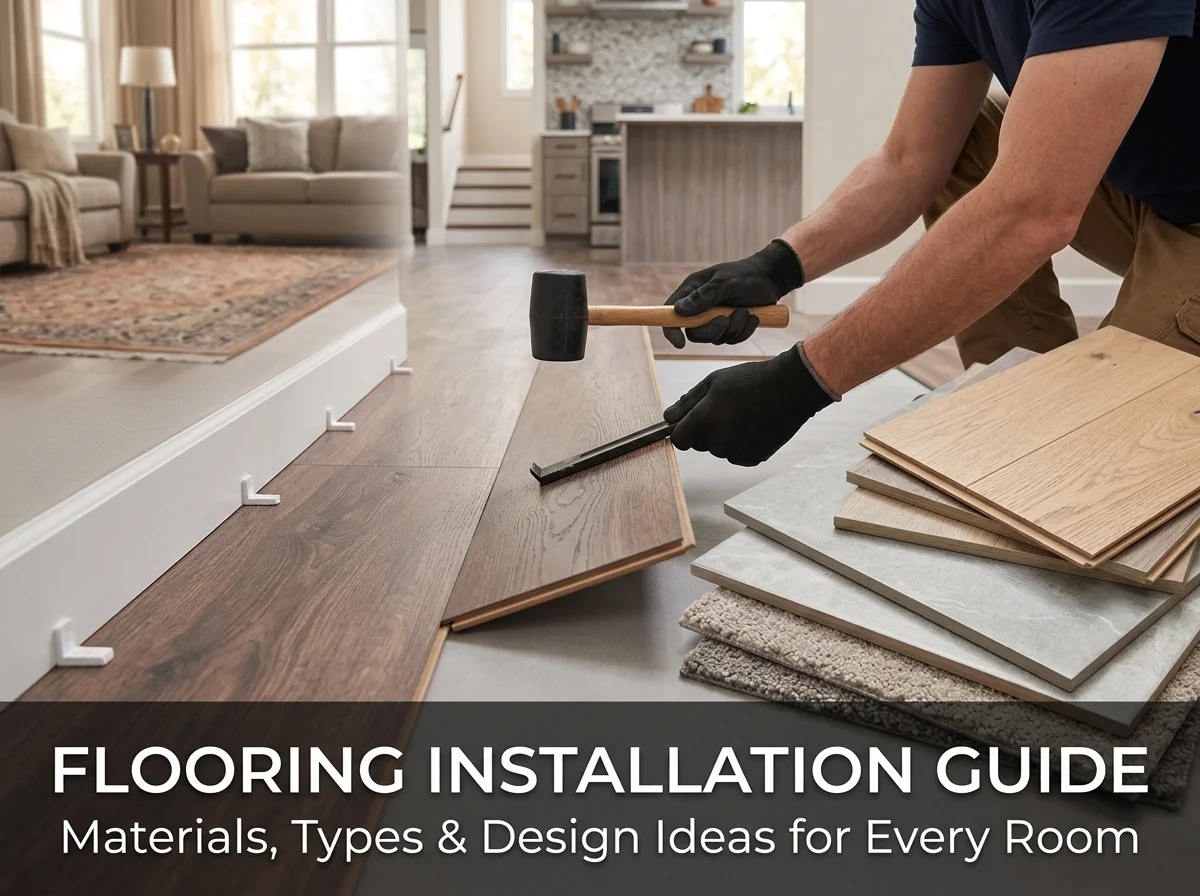
Different materials install differently. Hardwood flooring installation is skilled work. Takes days. Requires nailing and fitting. Professional installation recommended.
Tile flooring installation takes 2-5 days. Mortar. Placement. Grouting. Each step takes time. Professional installation is best.
Vinyl installation is faster. 1-3 days typically. Less skilled. Many DIYers can handle it. Laminate is similar. 1-3 days.
Step 4: Finishing (1-2 days)
Trim installation. Transitions between rooms. Sealing if needed. Final walkthrough. Quality check.
Step 5: Curing Time (1-7 days)
Grout needs to cure. Adhesive needs to set. Different materials need different times. Don’t use floor until cured. Waiting is critical.
Total Timeline
Professional installation: 1-3 weeks including prep and curing. DIY installation: 2-6 weeks depending on your pace and material.
Professional installation guarantees proper subfloor prep, accurate measurements, and quality finishing. We handle everything from removal of old flooring to final trim work. Explore our professional flooring installation services to see material options and get a free estimate.
Flooring Design Ideas: Style Considerations
Style matters beyond just material.
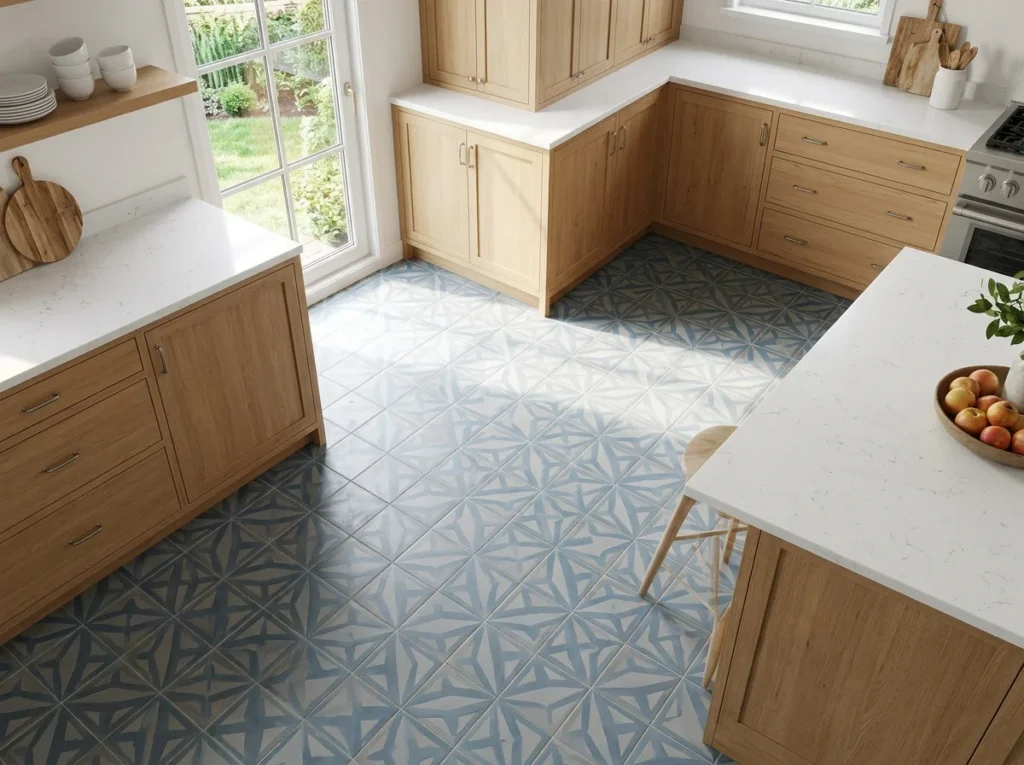
Color Selection
Light colors make rooms feel bigger. They feel clean. But show dirt. Dark colors create drama. Hide dirt. Make rooms feel smaller. Medium tones balance both.
Wood tones add warmth. Cool tones (gray, white) feel modern. Warm tones (tan, brown) feel cozy. Consider lighting. Same floor looks different under different lighting.
Pattern and Texture
Solid colors are timeless. Patterns date quickly. Textures hide footprints. Smooth shows everything. Think about maintenance tolerance.
Wide planks look modern. Narrow planks look traditional. Mix of widths looks rustic. Herringbone pattern is trendy but more installation work.
Transitions Between Rooms
Different floors need transitions. Metal trim. Wood trim. Tile transitions. Smooth transitions look professional. Clunky transitions look cheap. Hire professionals for transitions.
Real Costs for Flooring Installation
Budget varies based on material and quality.
Budget Flooring
Vinyl: $1,000-$2,500 for average room installed.
Laminate: $1,200-$3,000 for average room installed.
Basic carpet: $800-$2,000 for average room installed.
Mid-Range Flooring
Good vinyl: $2,000-$4,000 for average room installed.
Quality hardwood: $3,000-$6,000 for average room installed.
Porcelain tile: $2,500-$5,000 for average room installed.
Premium Flooring
Engineered hardwood: $4,000-$8,000 for average room installed.
Natural stone tile: $5,000-$12,000+ for average room installed.
Wide-plank hardwood: $6,000-$15,000+ for average room installed.
Whole House Installation
Budget: $5,000-$10,000.
Mid-range: $10,000-$25,000.
Premium: $25,000-$60,000+.
Get three quotes. Compare material quality. Compare installation quality. Mid-range contractors often offer best value.
FAQ About Flooring Installation Guide
What’s the best flooring for kitchens?
Tile flooring is best. Waterproof. Durable. Easy to clean. Practical. Vinyl works too. Hardwood flooring is beautiful but water-damage risk. Avoid carpet. Water damage risk. Mold risk.
How long does flooring last?
Hardwood flooring lasts 20-30+ years. Tile flooring essentially lasts forever. Vinyl lasts 15-20 years. Laminate lasts 15-25 years. Carpet lasts 10-15 years. Maintenance affects lifespan.
Can I install flooring myself?
Vinyl and laminate are DIY-friendly. Relatively easy. Many people succeed. Hardwood flooring and tile flooring are skilled work. Not recommended for DIY. Professional installation worth paying for. Results are better. Warranty is included.
What’s the cheapest flooring options?
Vinyl and laminate are cheapest. $1-$4 per square foot. Installed costs $1,500-$3,000 for average room. Budget carpet is cheap too. But durability is lower. You get what you pay for.
Should I remove old flooring myself?
Old flooring removal is labor-intensive. Dusty. Messy. Can damage subfloor if not careful. Many flooring contractors include removal. Ask about it. Often worth paying professionals. Protection of subfloor matters for new floor quality.
What’s the difference between vinyl and laminate?
Vinyl is waterproof. Good for wet areas. Laminate is not waterproof. Better for dry areas. Both look similar. Vinyl is softer underfoot. Laminate is harder. Both are budget-friendly. Vinyl slightly more durable.